
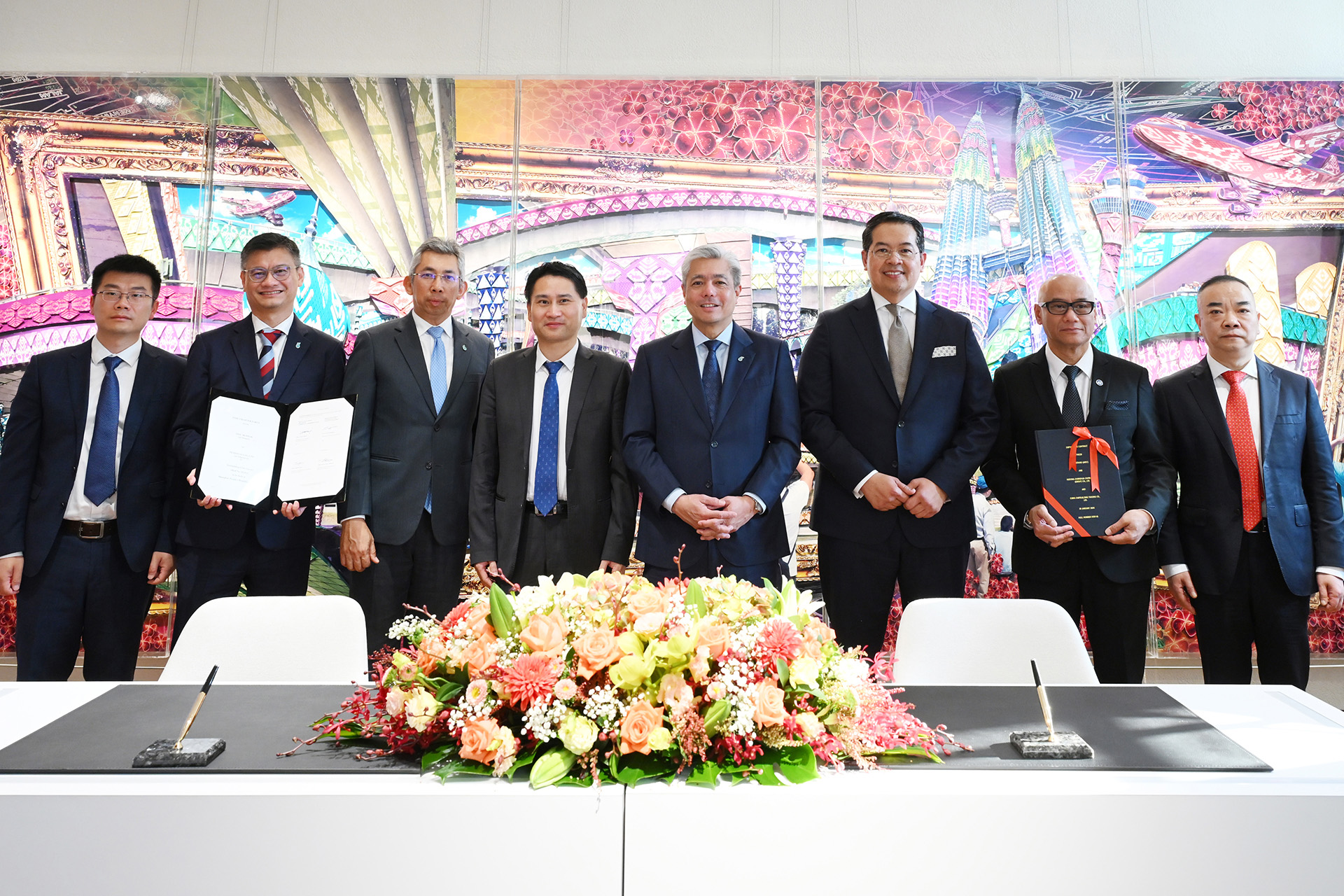
Petronas LNG Ltd. (PLL), a subsidiary of Petronas, has signed a long-term agreement with MISC Group for the charter of five newbuild liquefied natural gas (LNG) carriers, reinforcing the national energy company’s strategy to enhance LNG supply reliability and support growing global demand for lower-carbon energy solutions.
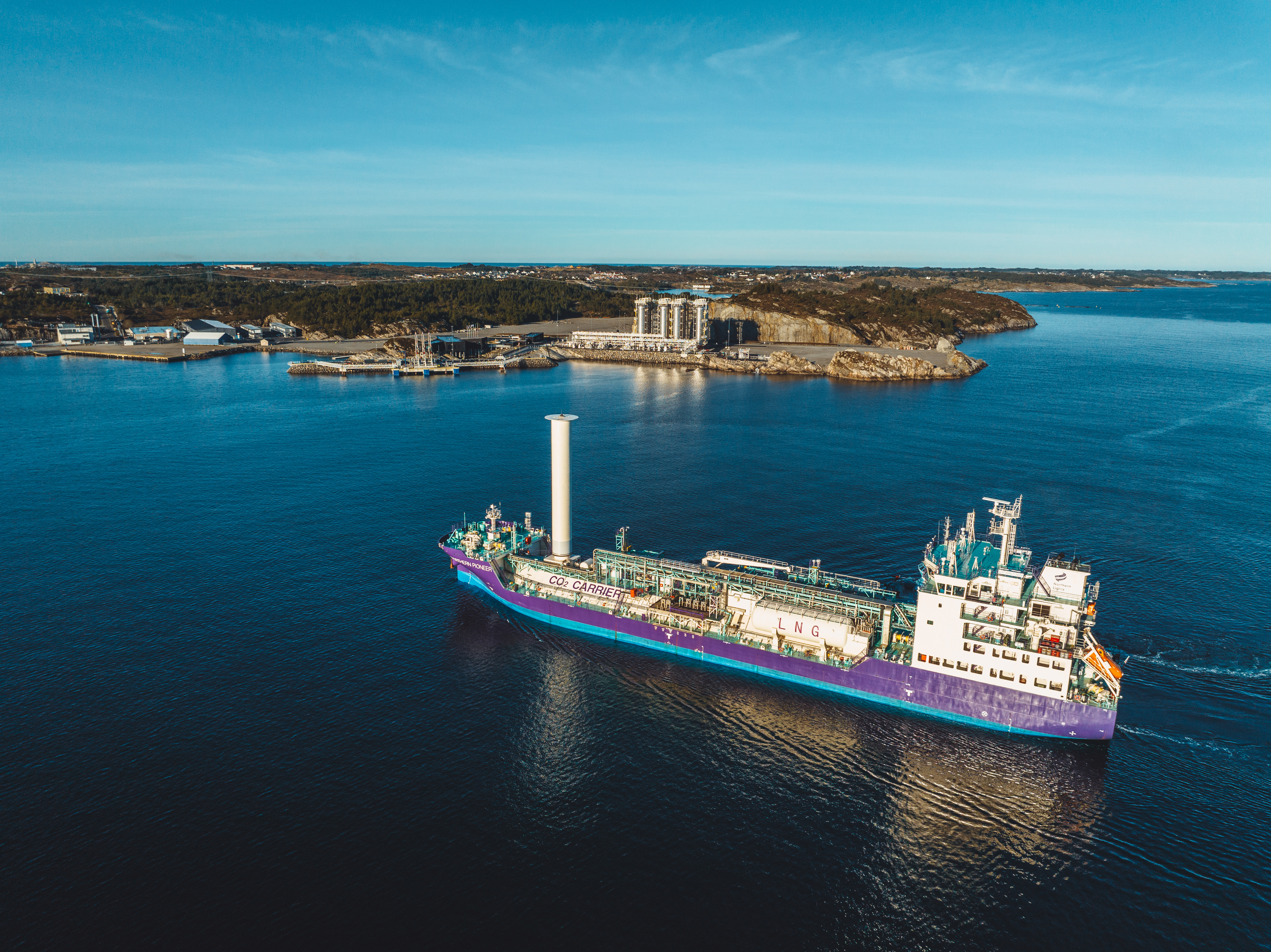
The 20-year time charter agreement covers five 174,000-cubic metre LNG vessels that will strengthen Petronas’ shipping capabilities across international markets while improving supply chain resilience amid evolving energy security concerns.
The agreement was signed by Chief Executive Officer of Petronas LNG Ltd., Ezran Mahadzir, and Vice President of Gas Assets and Solutions at MISC Group, Hazrin Hasan.
The signing follows MISC’s shipbuilding contracts with Hudong-Zhonghua Shipbuilding (Group) Co. Ltd. earlier this year. Construction of the vessels will take place in Shanghai, with deliveries expected between 2029 and 2030.
Datuk Adif Zulkifli, Executive Vice President and Chief Executive Officer of Petronas’ Gas and Maritime Business, said the partnership reflects the company’s commitment to building long-term value across the LNG ecosystem.
“The addition of these new LNG carriers marks another important milestone as we continue leveraging the collective strengths of our businesses to create sustainable value across the LNG value chain. By aligning our growth ambitions with MISC’s maritime expertise, we are strengthening the integrated capabilities that support PETRONAS’ position as a trusted and reliable global LNG supplier.”
The new vessels will feature advanced energy-efficient technologies designed to reduce emissions and improve operational performance, including the latest XDF2.1 dual-fuel propulsion systems, shaft generator technology for enhanced fuel efficiency, and onboard reliquefaction systems to optimise boil-off gas management during voyages.
MISC will oversee project management throughout the shipbuilding phase and will subsequently manage operations and maintenance of the LNG carriers once delivered.
Expanding LNG Capabilities Amid Energy Transition
The latest fleet expansion underscores Petronas’ broader strategy to strengthen its integrated gas and LNG infrastructure as global energy markets increasingly prioritise supply security and lower-carbon fuel alternatives.
Petronas remains one of the world’s largest LNG suppliers and continues to expand its global LNG portfolio through long-term supply agreements, infrastructure investments, and strategic shipping partnerships. Earlier this year, the company signed a 20-year LNG supply agreement with QatarEnergy as Malaysia seeks to diversify supply sources amid rising domestic gas demand.
The company is also advancing upstream gas developments and LNG infrastructure projects across Asia and international markets to support long-term production growth.
Petronas Gas Strategy Focused on Reliability and Resilience
The agreement aligns with the strategic priorities of Petronas Gas Berhad, which continues to focus on operational reliability, infrastructure resilience, and sustainable growth across its gas processing, transportation, regasification, and utilities businesses.
According to its latest integrated report, Petronas Gas maintained strong operational performance in 2025, supported by disciplined asset management and continued investments in digitalisation and sustainability initiatives.
The company reported:
- Revenue of RM6.4 billion
- EBITDA of RM3.4 billion
- Profit after tax of RM1.8 billion
- Dividend declaration of RM72 sen per share
Despite softer global energy prices, Petronas Gas continued to deliver stable earnings and maintain one of the strongest infrastructure portfolios in Malaysia’s energy sector.
At the broader group level, Petronas reported FY2025 revenue of RM266.1 billion and profit after tax of RM45.4 billion, while continuing to prioritise portfolio optimisation, cost discipline, and energy transition investments amid ongoing market volatility.
Industry analysts view LNG as a critical transition fuel globally, positioning Petronas to benefit from sustained long-term demand, particularly in Asia, where energy security and decarbonisation remain key priorities.
Strengthening Malaysia’s Maritime and Energy Ecosystem
The collaboration between Petronas and MISC also reinforces Malaysia’s ambitions to strengthen domestic maritime capabilities and maintain its position as a major LNG hub in Asia.
By combining LNG infrastructure, shipping expertise, and long-term commercial partnerships, both companies are seeking to enhance Malaysia’s competitiveness in the global LNG market while supporting regional energy transition goals.
The five new LNG carriers are expected to play a key role in ensuring reliable delivery capacity as international LNG trade volumes continue to expand over the next decade.