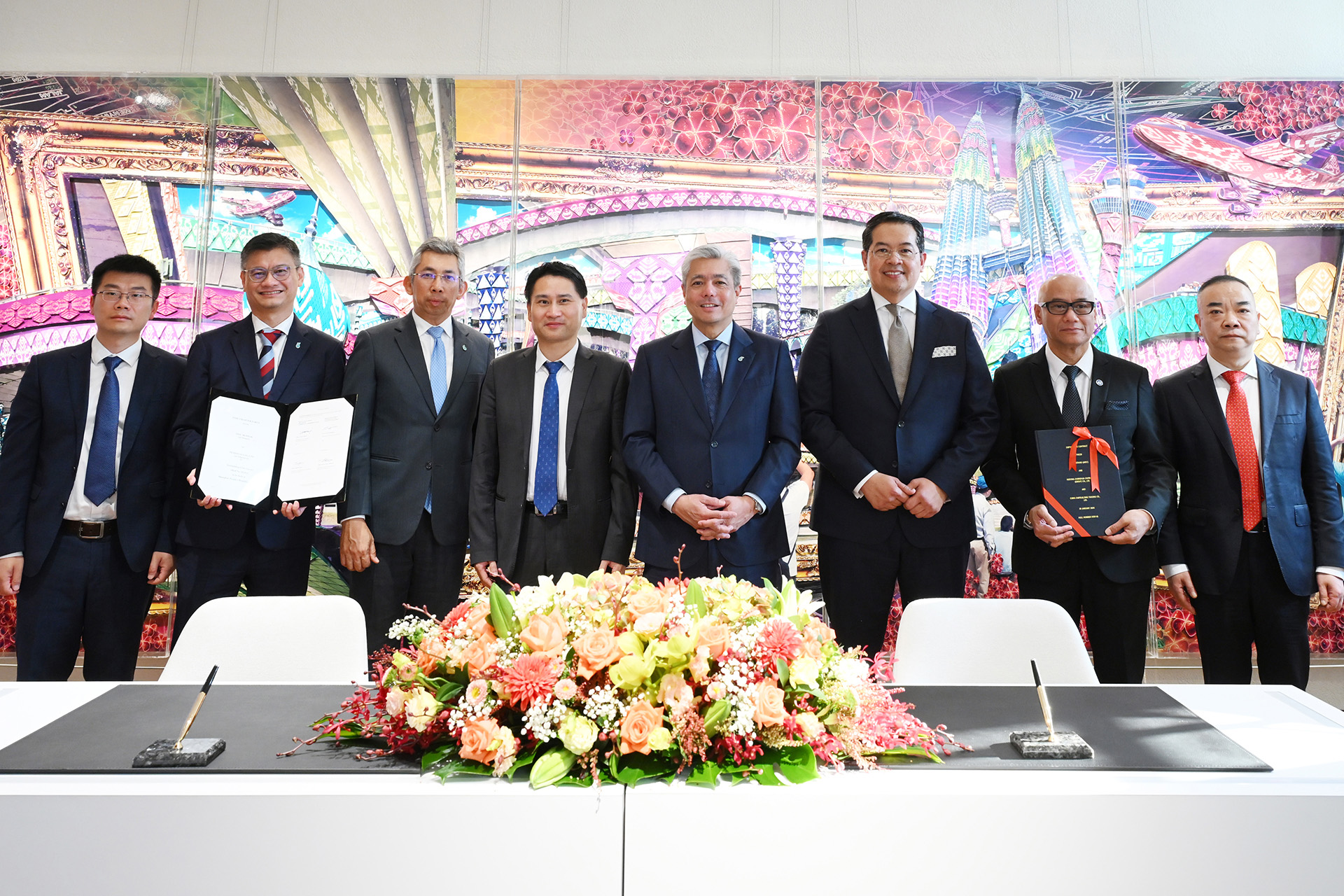

MISC Group (“MISC” or “the Group”) has marked its entry into Papua New Guinea’s offshore energy sector through the award of long-term Bareboat Charter and Operations & Maintenance (O&M) contracts by ExxonMobil PNG Limited (EMPNG), a subsidiary of Exxon Mobil Corporation and operator of the PNG LNG Project. The contracts relate to the deployment of a new Floating Storage and Offloading (FSO) unit, representing a strategic expansion of MISC’s offshore portfolio into a new geographic market.
The contractual framework comprises a firm 15-year charter tenure, with extension options of up to an additional 15 years, thereby underpinning long-term earnings visibility and cash flow stability. This development aligns with MISC’s “Delivering Progress” strategy, particularly under its Resilient Core pillar, which emphasises the generation of sustainable, high-quality income streams while enhancing portfolio resilience and future readiness.
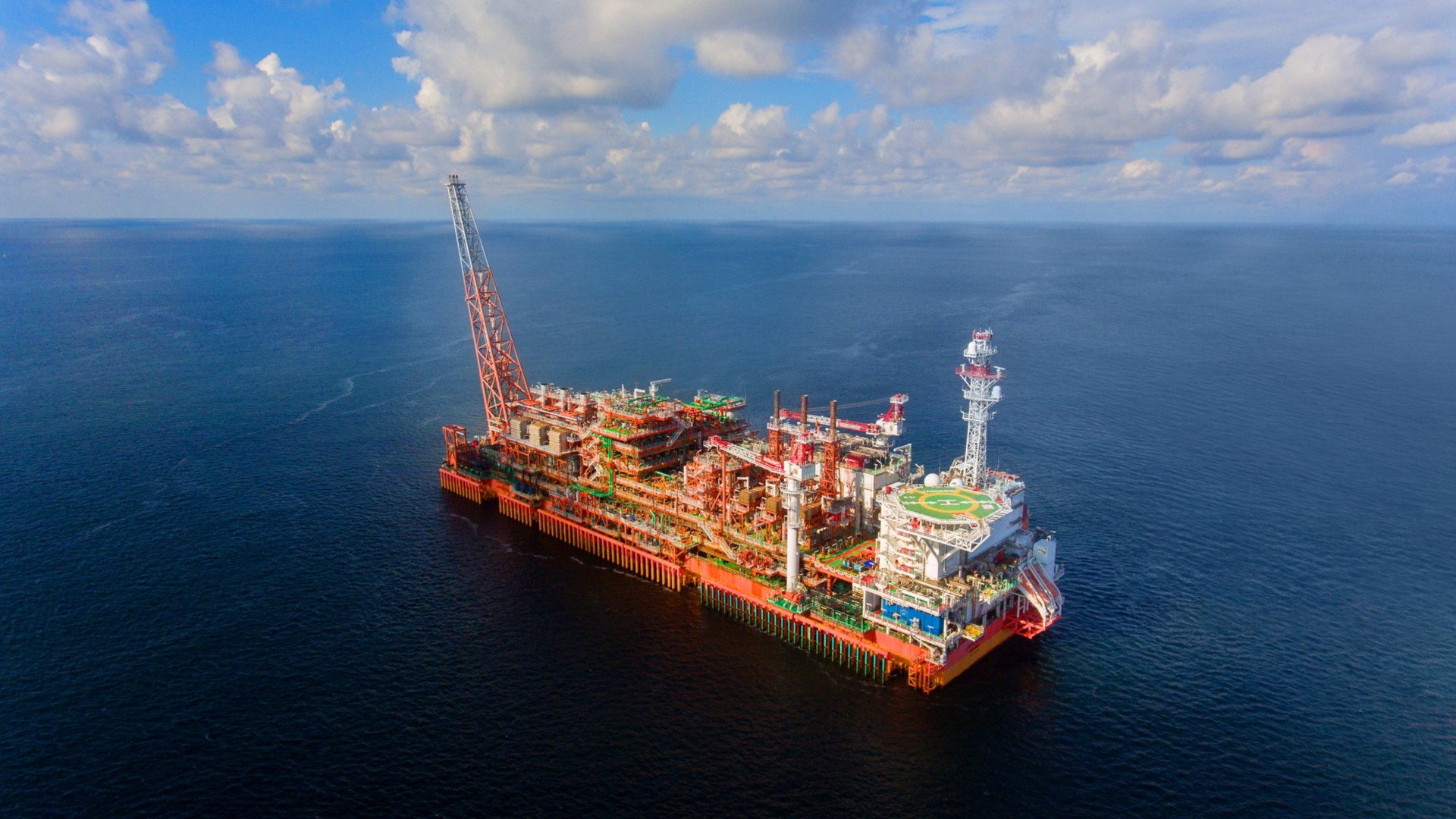
The FSO—set to be the first offshore floating facility in Papua New Guinea—will be deployed at the Kumul Marine Terminal as part of the Kutubu Pipeline System. Functionally, the unit will serve as a critical midstream asset, facilitating the storage and offloading of liquid hydrocarbons, including crude oil and condensate, sourced from multiple upstream fields. Concurrently, associated gas streams will be channelled into the PNG LNG Project, supporting integrated hydrocarbon monetisation.
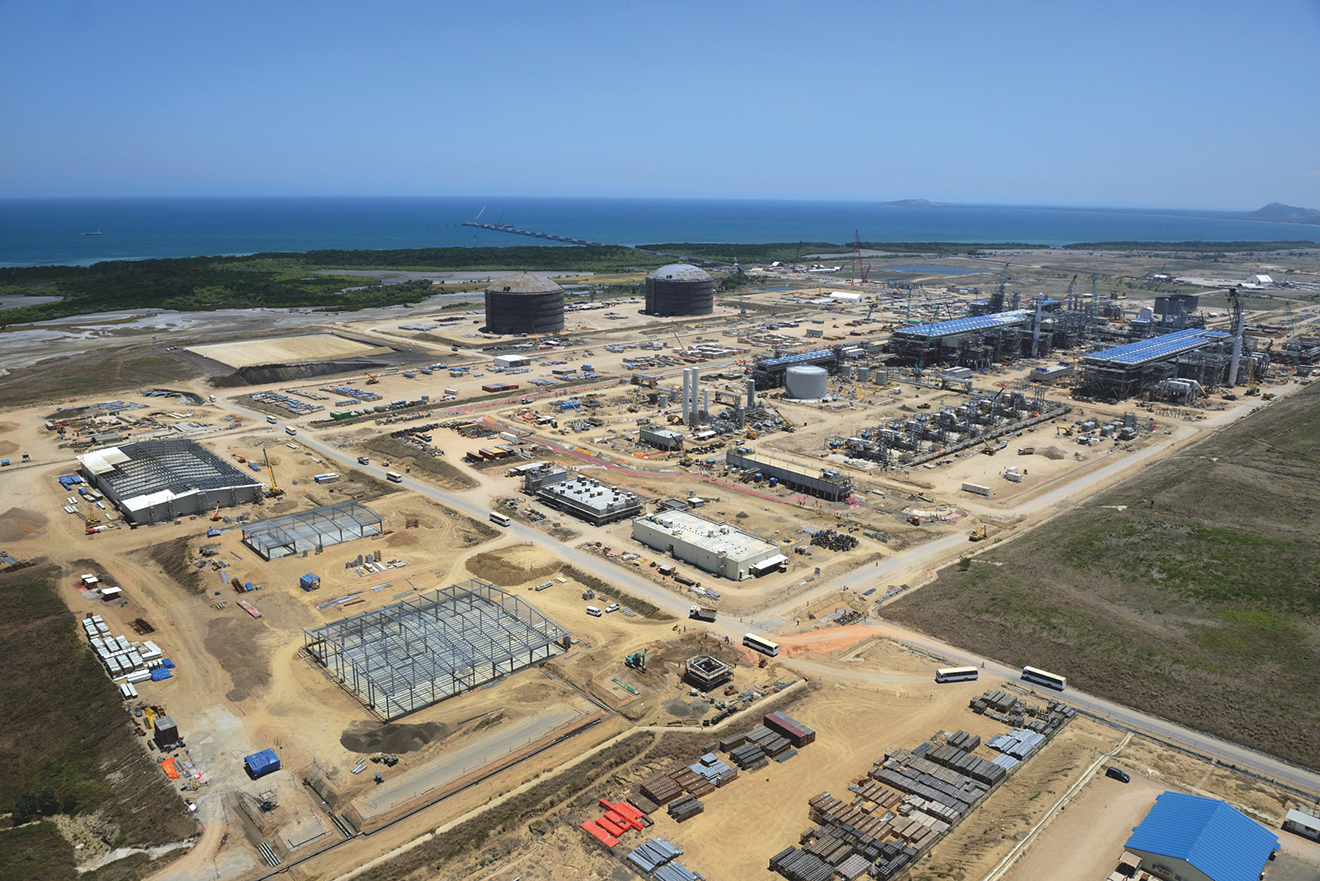
The PNG LNG Project is a large-scale liquefied natural gas development with a nameplate capacity exceeding 8.3 million tonnes per annum. Operated by ExxonMobil PNG Limited, which holds a 33.2% participating interest, the project is supported by a consortium of stakeholders including Santos Limited, ENEOS Xplora Inc., Kumul Petroleum Holdings Limited, and Mineral Resources Development Company Limited.
Zahid Osman, President and Group CEO of MISC, characterised the award as a strategic milestone, noting that it extends the Group’s long-standing collaboration with ExxonMobil into the offshore segment. He highlighted that the project builds on MISC’s recent regional expansion, including its entry into Brunei via the Kelidang FPU Project, and reflects the Group’s commitment to advancing into new markets while supporting host nations in responsibly monetising natural resources. He further emphasised that the initiative exemplifies the execution of MISC’s strategic roadmap through the delivery of long-life, sustainable energy infrastructure in partnership with a global energy major.
From a technical standpoint, the FSO is designed with an operational lifespan of approximately 30 years and will feature a minimum storage capacity of 800,000 barrels. The asset is scheduled for deployment in the first half of 2028 and will incorporate future-ready specifications, including the capability to handle condensate volumes from prospective upstream developments. This ensures continued operational relevance and adaptability within Papua New Guinea’s evolving energy ecosystem.
The project will be executed through MISC’s integrated delivery model, leveraging in-house capabilities and ecosystem synergies. Notably, engineering, procurement, construction, and commissioning (EPCC) activities will be supported by Malaysia Marine and Heavy Engineering Holdings Berhad (MHB), the Group’s Marine & Heavy Engineering arm. Through this collaboration, MISC aims to ensure the successful delivery and lifecycle performance of the FSO, further consolidating its position as a leading global provider of sustainable offshore and maritime energy solutions.