

Petrobras has officially taken a Final Investment Decision (FID) on the SEAP I module in the Sergipe-Alagoas Basin, marking a major milestone in the phased rollout of the Sergipe Deepwater Project (SEAP), one of Brazil’s most promising offshore oil and gas developments. This latest approval follows the earlier sanction of SEAP II in December 2025, signaling strong momentum toward full-field development and positioning the basin as a future offshore production hub. With global energy demand rising, Petrobras’ strategic move strengthens its role in deepwater exploration while boosting investor confidence in Brazil’s upstream sector.
The SEAP project has achieved financial viability through a combination of cost optimization strategies, innovative commercial structuring, and strong collaboration across the supply chain. Petrobras worked closely with contractors to renegotiate and streamline contractual frameworks, improving overall project economics and increasing internal rate of return (IRR), even under volatile oil price conditions. A key efficiency driver was the joint procurement of the P-81 and P-87 FPSOs, which enabled standardization, reduced costs, and unlocked economies of scale—critical factors for large-scale offshore investments.
By integrating SEAP I into its Base Implementation Portfolio, Petrobras highlights the importance of supplier collaboration and operational efficiency in delivering complex deepwater projects. This approach not only reduces execution risk but also accelerates timelines, making the development more resilient and attractive in a competitive global energy market.
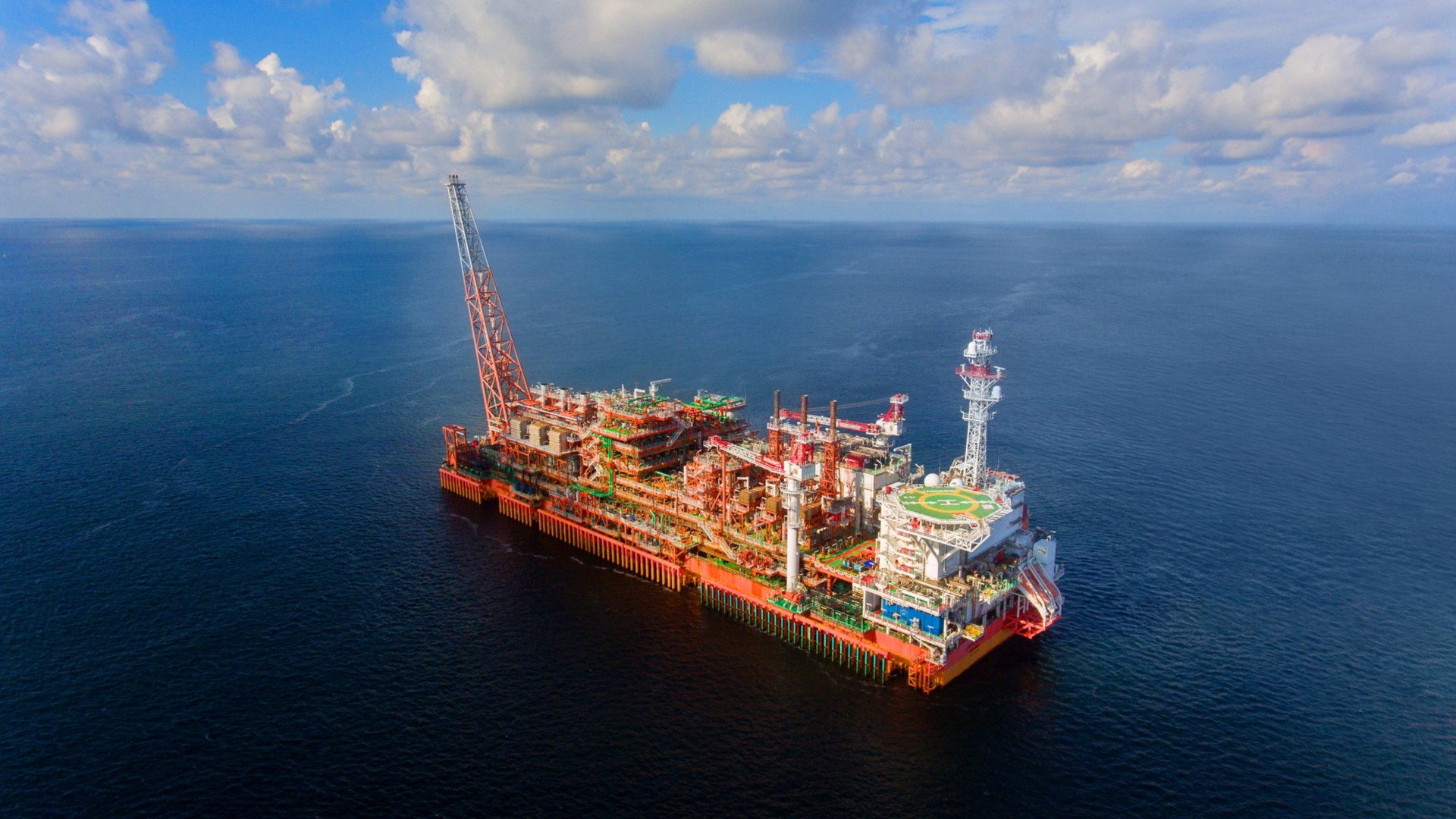
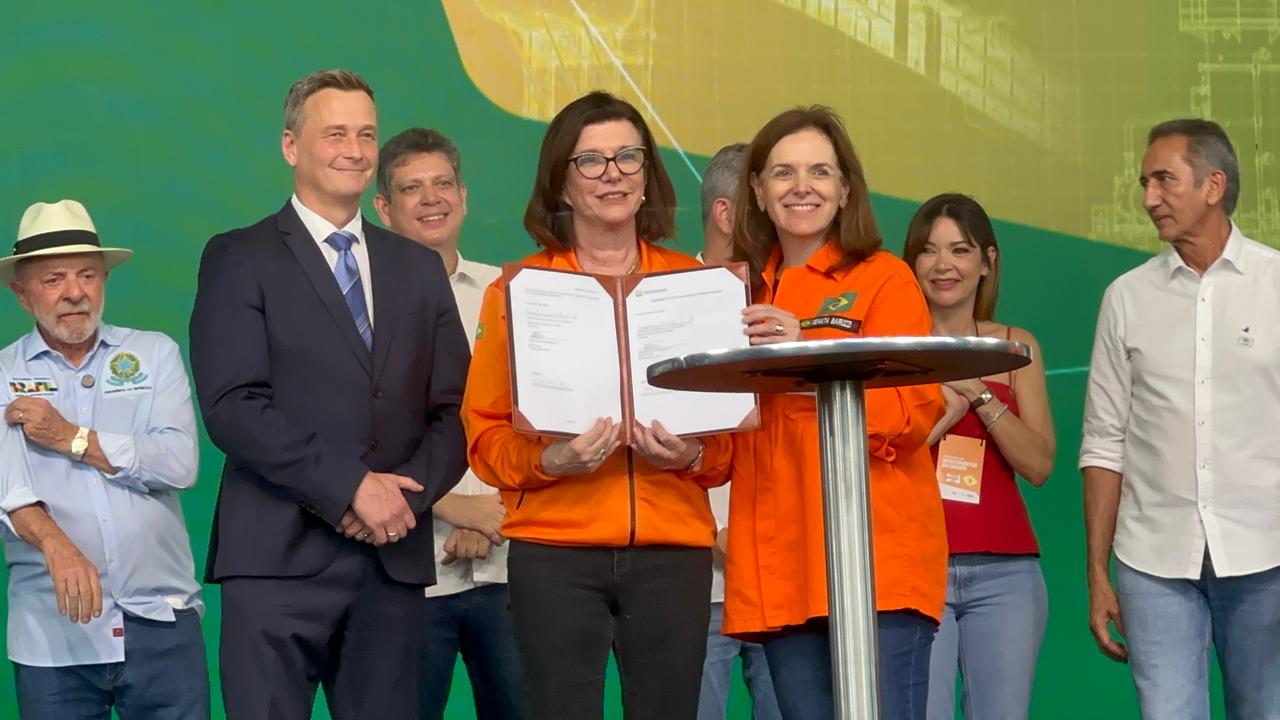
Both floating production storage and offloading units (FPSOs) will be delivered under a Build, Operate, Transfer (BOT) model, with SBM Offshore responsible for engineering, procurement, construction, installation, and commissioning (EPCIC), as well as initial operations. This contracting strategy allows Petrobras to optimize capital allocation, ensure faster project delivery, and maintain operational continuity before eventual asset transfer. Contract finalization is expected by May 2026, pending final approvals, paving the way for full-scale execution.
Once operational, the SEAP I and SEAP II FPSOs will deliver a combined oil production capacity of 240,000 barrels per day and gas processing capacity of 22 million cubic meters per day. First oil production is targeted for 2030, with gas export infrastructure expected to come online by 2031. These timelines align with Brazil’s broader strategy to expand offshore output while strengthening domestic energy supply.
The overall field development plan includes the drilling and completion of 32 subsea wells, alongside the installation of advanced subsea production systems such as Christmas trees and associated infrastructure. A key component of the project is a 134-kilometer gas export pipeline, consisting of 111 kilometers offshore and 23 kilometers onshore, which will play a vital role in transporting natural gas to domestic markets. Tendering activities for subsea equipment are already underway, with additional contracts scheduled for bidding in 2026, further driving industry participation and economic activity.
Strategically, the SEAP development represents a transformative investment for Brazil’s energy sector, with total capital expenditure exceeding BRL 60 billion and estimated recoverable resources surpassing 1 billion barrels of oil equivalent. Beyond boosting oil production, the project is expected to significantly expand Brazil’s natural gas supply, enhancing energy security and supporting infrastructure development in the Northeast region.
SEAP I, supported by the P-81 FPSO, targets light oil reserves in the Agulhinha, Agulhinha Oeste, and Palombeta fields within the BM-SEAL-10 and BM-SEAL-11 blocks. The unit is designed to produce up to 120,000 barrels of oil per day and process 10 million cubic meters of gas daily. Petrobras holds full operatorship in BM-SEAL-10 and a 60% stake in BM-SEAL-11, reinforcing its dominant position in the basin.
Meanwhile, SEAP II will be developed using the P-87 FPSO, covering the Budião, Budião Northwest, and Palombeta areas located approximately 80 kilometers offshore. This unit will also produce 120,000 barrels of oil per day, with a higher gas processing capacity of 12 million cubic meters per day. Petrobras operates with a 75% stake in BM-SEAL-4 and full ownership in BM-SEAL-4A and BM-SEAL-10, further consolidating its leadership in Brazil’s offshore exploration landscape.
As global energy markets evolve, Petrobras’ SEAP development stands out as a high-impact project combining scale, efficiency, and long-term value creation—positioning Brazil as a key player in the future of deepwater oil and gas production while attracting global attention from investors and industry stakeholders.