

Eni, through Azule Energy, has reached the Final Investment Decision (FID) for the Greater PAJ Project, a major offshore oil development located in Blocks 31 and 31/21 offshore Angola, while Saipem has secured a new offshore contract worth approximately $1 billion to support the project’s execution. Together, the announcements mark a significant milestone for one of the largest ultra-deepwater oil developments currently underway in sub-Saharan Africa.
Operated by Azule Energy, the joint venture equally owned by Eni and bp, and partnered by Sonangol E&P and Equinor, the Greater PAJ Project is Angola’s first integrated cross-block offshore development. The project brings together five offshore fields—Palas, Astraea and Juno in Block 31, and Urano and Dione in Block 31/21—under a coordinated development strategy designed to maximize resource recovery, optimize existing infrastructure and sustain Angola’s long-term oil production capacity.
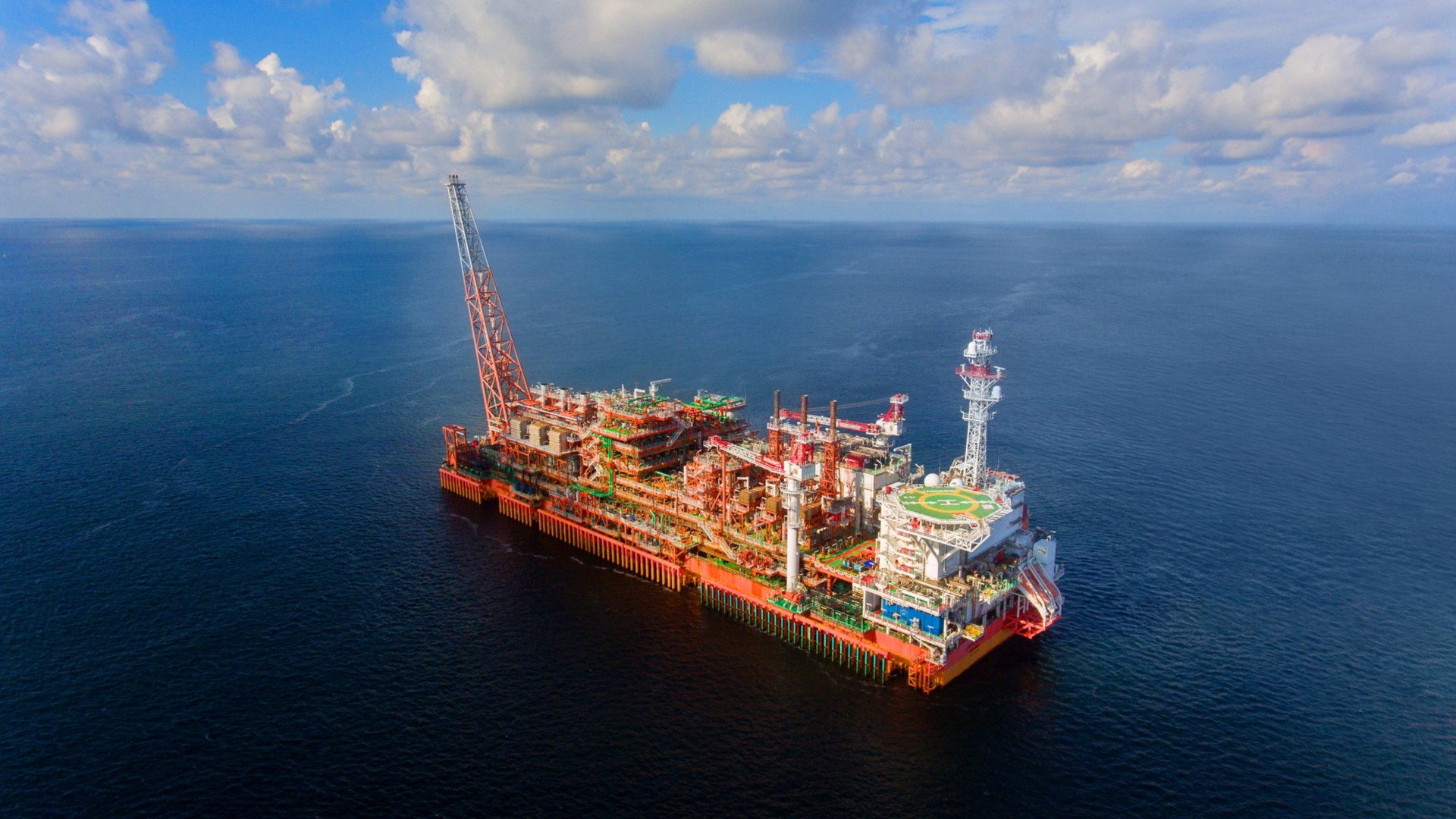
The development is expected to deliver first oil in the first half of 2029, less than three years after the investment decision. The project’s overall development plan includes the drilling of 17 wells connected to a new Floating Production, Storage and Offloading (FPSO) vessel with a nameplate production capacity of 95,000 barrels of oil per day. The FPSO will also have a gas export capacity of 70 million standard cubic feet per day, with gas transported via a new export pipeline connected to the existing Block 31 gas network and ultimately delivered to the Angola LNG (ALNG) facility.
As part of the project’s execution phase, Saipem has been awarded a contract by Azule Energy Exploration (Angola) Limited and Azule Energy Angola B.V. to provide transportation and installation services for critical offshore infrastructure. The contract, which has an estimated duration of approximately 40 months, reinforces Saipem’s long-standing presence in Angola and strengthens its collaboration with Azule Energy on complex offshore developments.
Under the contract, Saipem will be responsible for the engineering, fabrication, transportation and installation of approximately 180 kilometers of rigid pipelines and subsea facilities in water depths reaching up to 2,000 meters. The scope also includes the transportation and installation of 38 kilometers of flexible flowlines and jumpers, as well as 54 kilometers of umbilicals that will support production and operational activities across the Greater PAJ development area.
A significant portion of the fabrication work will be carried out at Saipem’s Ambriz yard in Angola, supporting local content development through the involvement of Angolan companies and workforce. For offshore installation activities, Saipem plans to deploy its flagship construction vessels, FDS and Castorone, both recognized for their capabilities in executing large-scale deepwater and ultra-deepwater projects.
The Greater PAJ Project represents a key investment in Angola’s offshore energy sector and aligns with the country’s strategy to enhance resource efficiency while maintaining its position as one of Africa’s leading oil producers. The integrated development approach is expected to unlock substantial economic value, support local employment, strengthen energy infrastructure and contribute to future oil and gas exports from the region.
For Eni and bp, the project further expands the role of Azule Energy as a leading operator in Angola’s upstream sector. Eni has been active in Angola since 1980 and currently reports equity production of approximately 115,000 barrels of oil equivalent per day in the country. Beyond upstream operations, Eni also maintains a growing portfolio of decarbonization initiatives through Eni Natural Energies, supporting Angola’s broader energy transition objectives.
With the Final Investment Decision now approved and major engineering and installation contracts awarded, the Greater PAJ Project enters a new phase of development. The combination of advanced offshore production infrastructure, extensive subsea networks and significant international investment positions the project as one of the most strategically important energy developments in Africa, supporting Angola’s production growth and reinforcing its role in global energy markets for years to come.