
The MISC Group (The Group) announced that the company has welcomed an addition of two more assets to its current fleet, FPSO Marechal Duque de Caxias, and Eagle Veracruz, its latest LNG dual-fuel Very Large Crude Carrier (VLCC) via the Group’s petroleum arm.

MISC’s President and Group Chief Executive Officer, Captain Rajalingam Subramaniam said,
“I am proud that we have been able to open 2024 with two significant additions to MISC Group’s fleet – our FPSO Marechal Duque de Caxias and Eagle Veracruz, symbolizing our focused and continuous commitment to supporting energy security and transition initiatives responsibly and sustainably globally.
The naming ceremony of Eagle Veracruz, the group’s latest LNG dual-fuel VLCC in AET, showcases their strides in eco-friendly maritime solutions, aligning with IMO’s 2025 EEDI Phase III standards. Currently, 15% of AET’s global petroleum fleet is powered by LNG dual-fuel technology, and growing.
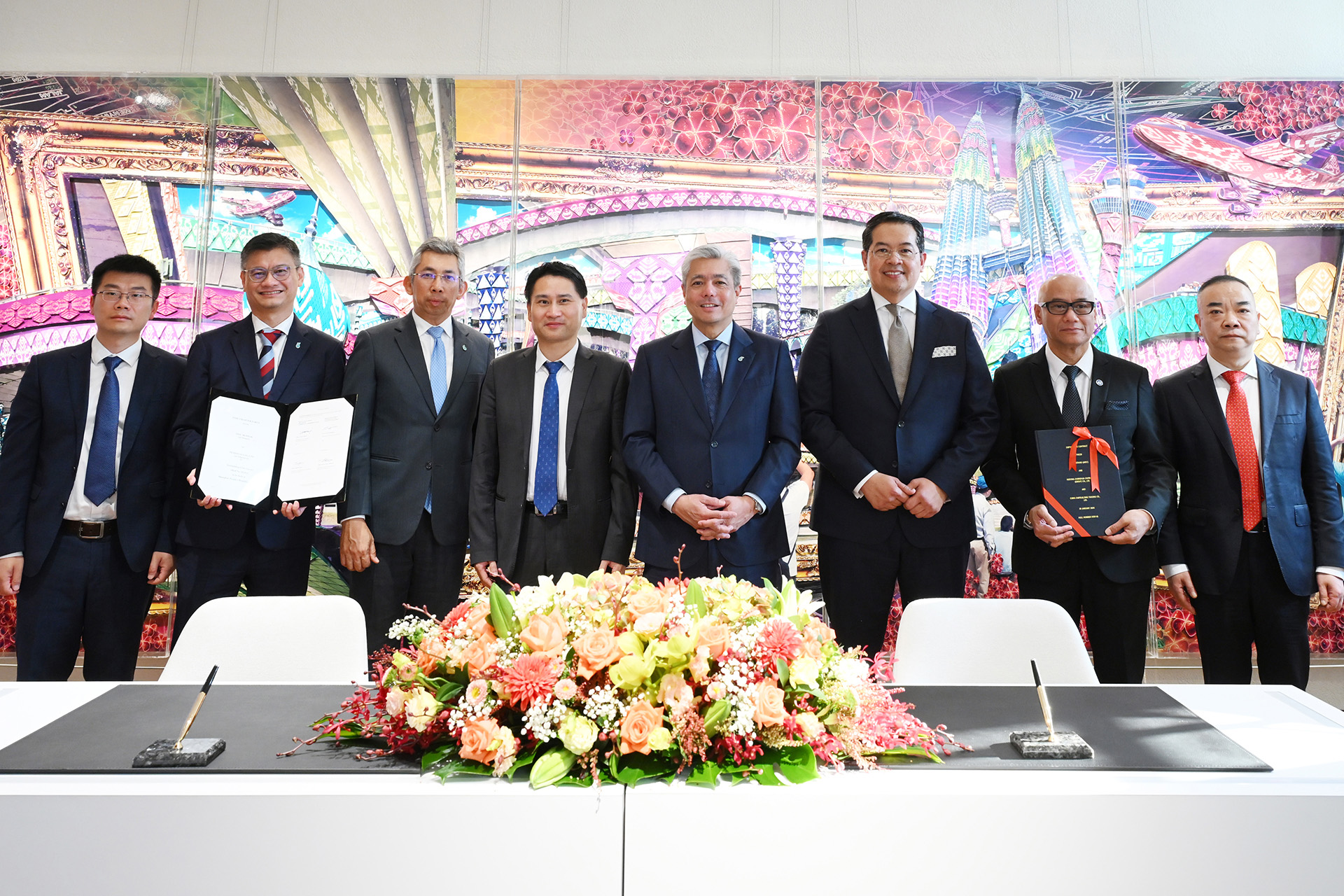
The AET’s latest LNG dual-fuel VLCC – Eagle Veracruz was named on 23 January 2024. Following a March 2021 agreement, Eagle Veracruz is the third vessel delivered to Shell Tankers (Singapore) on long-term charter. Classed by Lloyd’s Register, Eagle Veracruz and its two sister vessels are designed with state-of-the-art technologies, optimised hull forms and propellers, wake improvement ducts and rudder bulbs to further improve vessel’s energy efficiency. Being among the most eco-friendly VLCCs available today, they comply with IMO’s 2025 EEDI Phase III and with a 99% reduction in sulphur oxides, 85% reduction in nitrogen oxides and 95% particulate matter. When fully utilizing LNG as fuel, Eagle Veracruz’s GHG emissions are about 16% lower than a same vessel using only Heavy Fuel Oil.
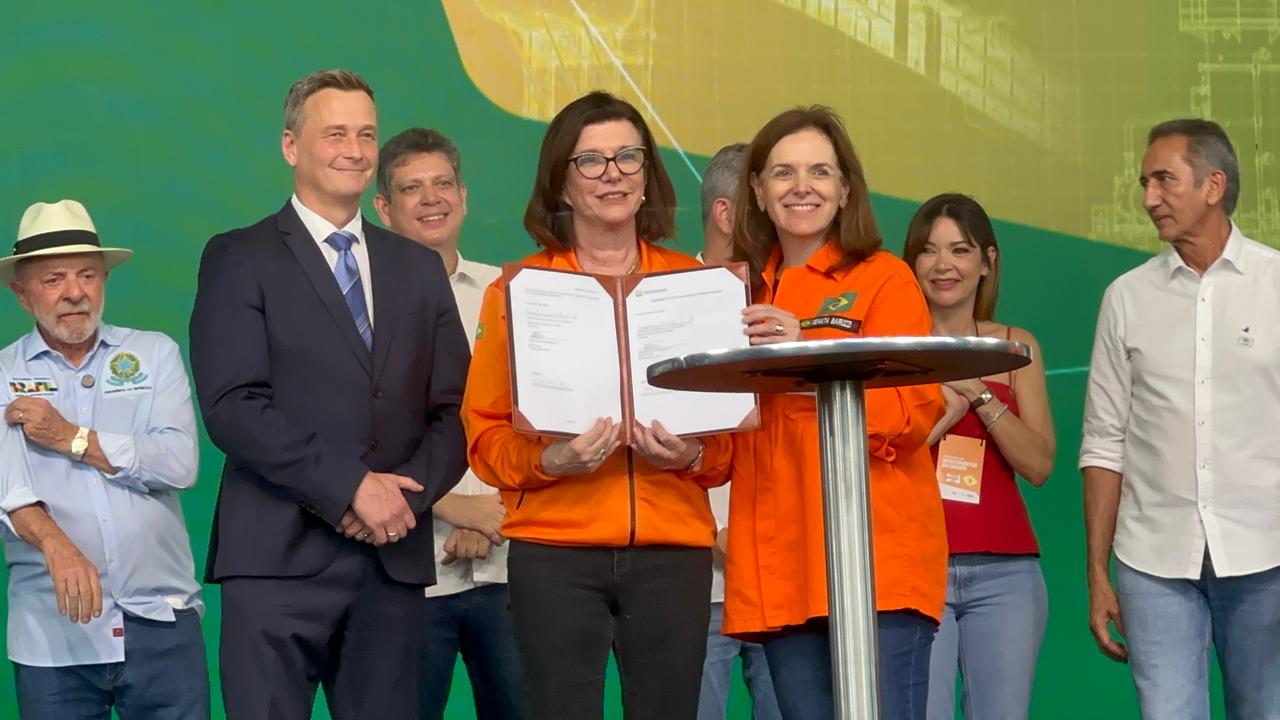
Simultaneously the Group’s entry into the Brazilian energy market with an HISEP-ready vessel, FPSO Marechal Duque de Caxias, was marked with a naming ceremony of the vessel in Yantai, China on 17 January 2024 and will sail away in mid-February to Mero field, offshore Brazil. In alignment with the Group’s commitment to environmental responsibility, the FPSO Marechal Duque de Caxias, a HISEP-ready vessel is the Group’s first ultra-deepwater asset, and among the largest of its kind. This includes the integration of advanced technologies for processing CO2-rich production from the pre-salt Santos basin, particularly at the Mero Field. Built with a high production capacity of 180,000 bbls per day and 12 million m3 of gas per day, the FPSO Marechal Duque de Caxias is equipped with Water Alternating Gas (WAG) reinjection technology, exemplifies MISC’s strategy in carbon capture. Additionally, it can strip and reinject CO2 from fuel gas production, with a capacity to compress up to 48mmscfd of CO2, emphasizing our commitment to sustainable practices.
In addition to the above, the FPSO Marechal Duque de Caxias also celebrated a significant safety milestone, achieving over 28 million Safe Manhours with Zero Lost Time Injury as of December 2023, highlighting the Group’s focus on safety and operational excellence.