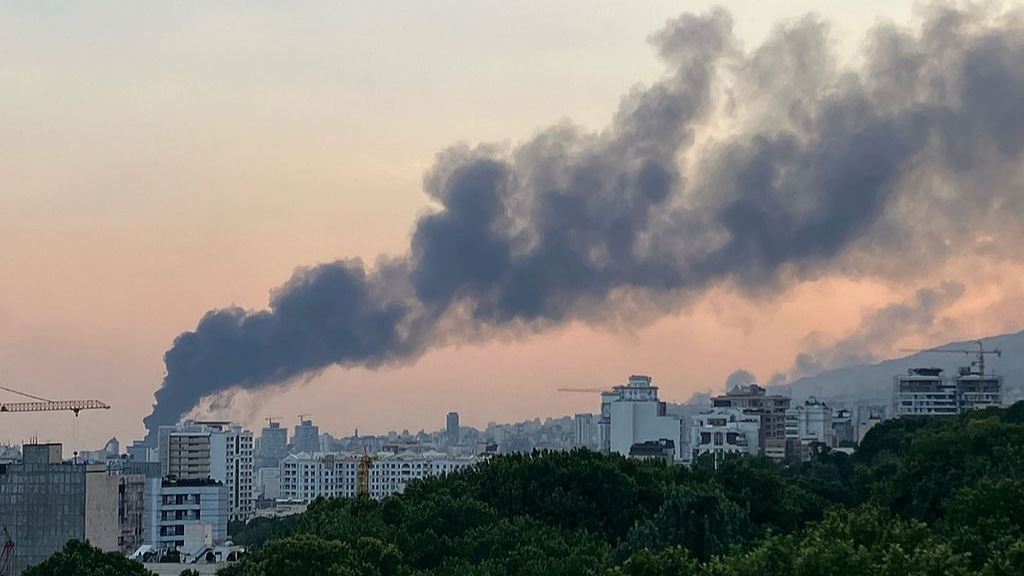

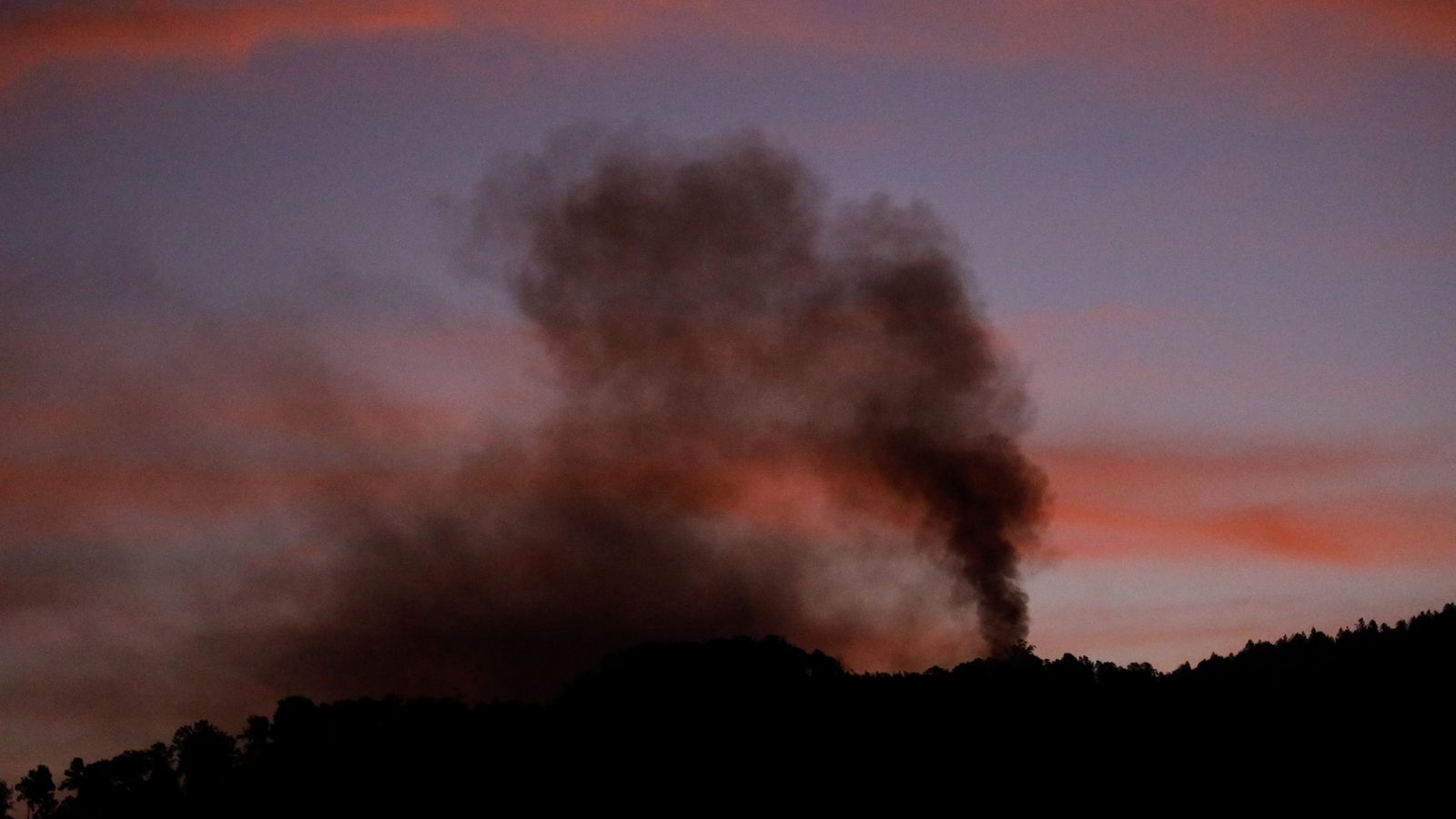
Reports of a dramatic escalation between the United States and Venezuela have sent shockwaves through political and energy circles, with claims that U.S. forces carried out a direct operation against the Venezuelan government and detained its long-time leader, Nicolás Maduro. While details remain contested and independently unverified, the episode reflects a sharp intensification of years of confrontation between Washington and Caracas, a relationship defined by sanctions, diplomatic isolation, and pressure on Venezuela’s oil-dependent economy.
Tensions between the two countries have been building for more than a decade, with U.S. policy aimed at weakening the Venezuelan government by restricting its access to global financial markets and targeting its state oil company, PDVSA. These measures have severely reduced Venezuela’s ability to invest in and maintain its oil infrastructure, contributing to a steep decline in production from levels above three million barrels per day in the early 2000s to a fraction of that today. Any military action or leadership upheaval, real or perceived, fits into this longer pattern of attempts to reshape Venezuela’s political and economic trajectory through pressure on its most important industry.
For the oil and gas sector, the immediate concern has been the risk of disruption rather than actual damage to facilities. Venezuela’s production, refineries, and export terminals are critical not because of their current output alone, but because of the country’s vast proven reserves and its potential to return as a major supplier under different political conditions. Even rumors of conflict or regime change tend to introduce uncertainty, prompting traders to factor in geopolitical risk premiums despite the country’s reduced role in present-day supply balances.
Sanctions and enforcement actions have already complicated Venezuelan crude exports, forcing the use of intermediaries, longer shipping routes, and steep discounts to attract buyers. Heightened conflict or instability could further deter shipping companies and insurers, slow exports, and reduce hard-currency revenues. For refiners, particularly those equipped to process heavy sour crude, any prolonged disruption would tighten an already limited pool of suitable feedstock and potentially increase costs.
At the global level, oil markets are highly sensitive to political shocks involving major reserve holders, even when near-term supply losses are modest. Venezuela’s situation adds another layer of uncertainty to an energy landscape already shaped by conflicts, sanctions, and shifting production strategies among major producers. In the short term, this uncertainty can translate into price volatility, while in the longer term it raises questions about whether Venezuela’s oil sector could eventually recover or remain constrained by instability and international pressure.
Ultimately, whether the reports mark a genuine turning point or prove exaggerated, they underscore how deeply intertwined geopolitics and energy markets remain. Venezuela’s oil industry continues to sit at the center of its national fortunes and international relations, and any perceived change in control, policy direction, or external pressure is likely to ripple well beyond its borders, influencing market sentiment and strategic calculations across the global oil and gas sector.