
PETRONAS has strengthened its position in Suriname’s rapidly growing offshore energy sector after announcing two new discoveries and a successful appraisal well in Block 52, bringing the company’s cumulative recoverable resources in the country to more than one billion barrels of oil equivalent (boe).
The latest exploration success further reinforces Suriname’s emergence as one of the most promising oil and gas provinces in the world and highlights the growing importance of the Suriname-Guyana Basin as a major deepwater energy hub.
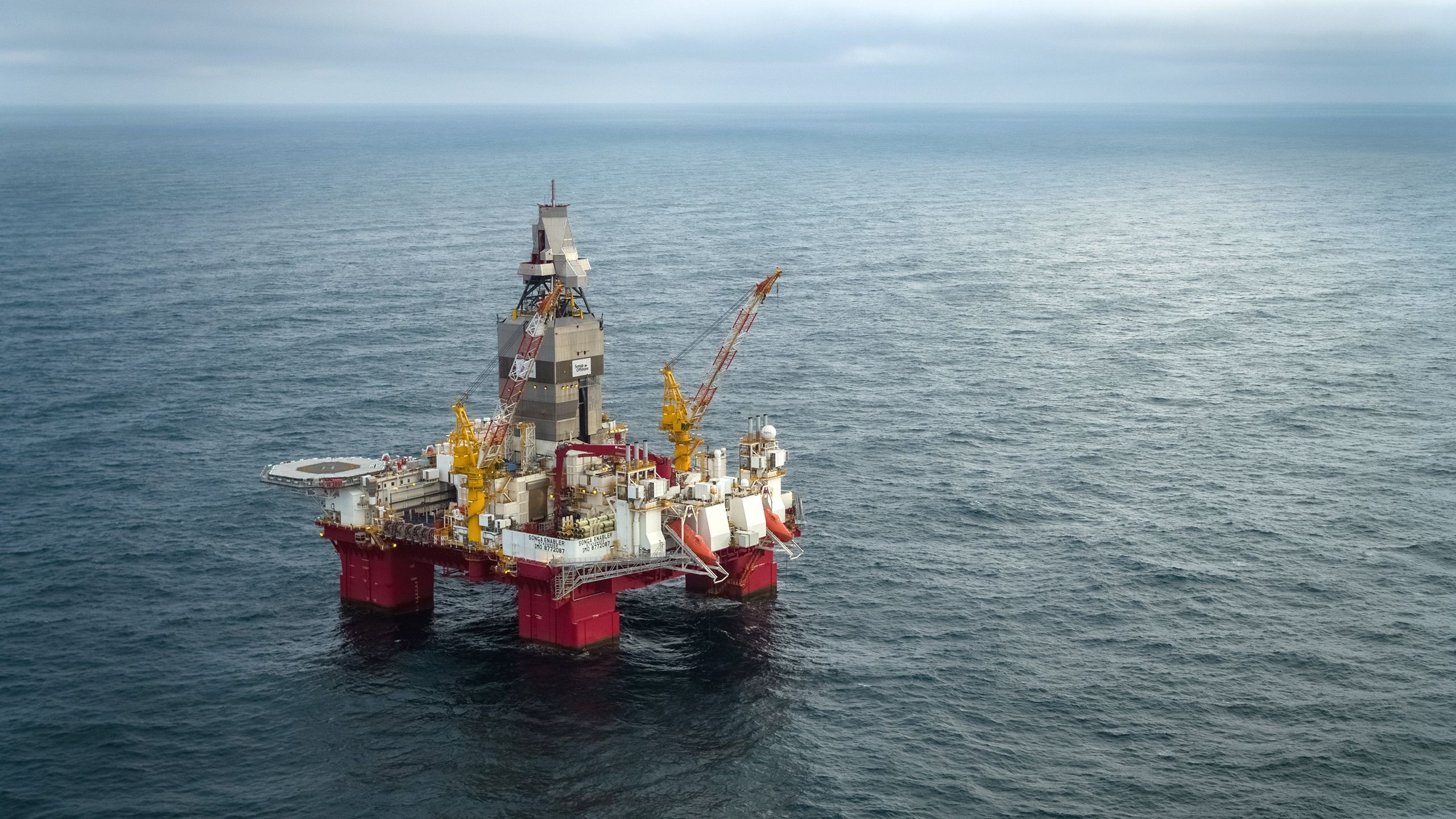
Through its wholly owned subsidiary, PETRONAS Suriname E&P B.V. (PSEPBV), the company successfully drilled the Caiman-1 exploration well, which encountered multiple oil-bearing sandstone intervals within Cretaceous formations. The well was drilled in water depths of approximately 90 metres and reached a total depth of 5,065 metres, confirming the presence of a significant oil-bearing system within offshore Block 52.
PETRONAS also announced a gas discovery at the Swartzia Aspasia Complex-1 (SAC-1) exploration well. Located approximately eight kilometres east of the previously discovered Sloanea gas field, SAC-1 was drilled in 610 metres of water depth to a total depth of 4,560 metres. The well intersected gas-bearing sandstone reservoirs, while drill stem testing demonstrated strong gas deliverability and high-quality reservoir characteristics.
In addition to the two discoveries, the Roystonea-2 appraisal well successfully confirmed the lateral extension of previously identified oil-bearing reservoirs. Located seven kilometres north of Roystonea-1, the appraisal well delivered positive drill stem test results, indicating strong oil productivity and further validating the quality and commercial potential of the reservoir system.
The latest drilling campaign increases PETRONAS’ offshore track record in Suriname to eight successful wells and further establishes Block 52 as one of the country’s most prospective offshore acreage positions. The block is situated within the highly sought-after “Golden Lane” trend, an area that has attracted significant industry attention due to a series of major hydrocarbon discoveries across the Suriname-Guyana Basin.
PETRONAS Chief Operating Officer and Executive Vice President & Chief Executive Officer of Upstream, Mohd Jukris Abdul Wahab, said the discoveries demonstrate the company’s technical expertise, disciplined execution and strong partnership with Suriname’s national stakeholders.
According to PETRONAS, the eight successful wells drilled to date have collectively unlocked recoverable resources exceeding one billion barrels of oil equivalent, creating a strong foundation for future development projects and long-term value creation in the country.
The discoveries build on the commerciality declaration of the Sloanea gas field announced in November 2025. PETRONAS is currently targeting a final investment decision (FID) for the Sloanea development before the end of 2026, a move that could pave the way for Suriname’s next major offshore gas project.
Block 52 is operated by PETRONAS with an 80 percent participating interest, while the remaining 20 percent is held by Paradise Oil Company N.V. (POC), a wholly owned subsidiary of Staatsolie Maatschappij Suriname N.V. PETRONAS currently maintains interests in eight offshore blocks across Suriname, including Blocks 9, 10, 48, 52, 53, 63, 64 and 66.
Industry observers view the latest discoveries as another important milestone for Suriname’s offshore sector, which has seen increasing exploration and development activity over the past several years. The combination of new oil discoveries, growing gas resources and multiple appraisal successes continues to strengthen the case for future developments in Block 52 and supports Suriname’s ambitions to become a leading offshore energy producer in South America.
With more than one billion barrels of oil equivalent now identified and multiple discoveries progressing toward commercialization, PETRONAS is playing a central role in unlocking Suriname’s offshore potential while helping position the country as a key contributor to the future growth of the global energy industry.