
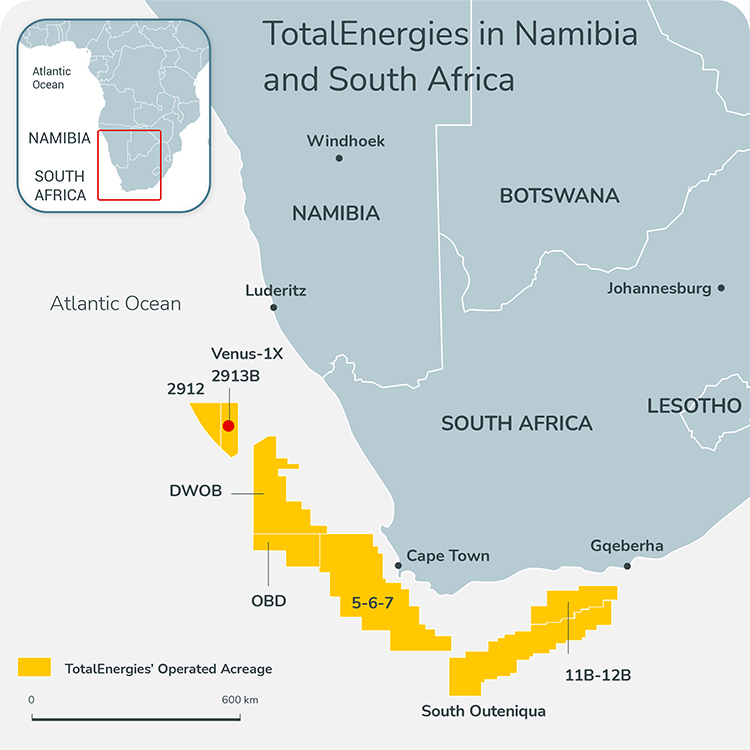
TotalEnergies’ giant Venus oil field located in Block 2913B Offshore Namibia is finally taking shape. The company and its JV partners (currently Impact Oil & Gas, NAMCOR and QatarEnergy) is studying the feasibility to develop the offshore Venus Field to produce oil for commercialisation. The Venus field is located offshore, approximately 320 km south-west of Lüderitz in the Northern portion of Block 2913B, in water depths of ranging from 2600 to 3300m.
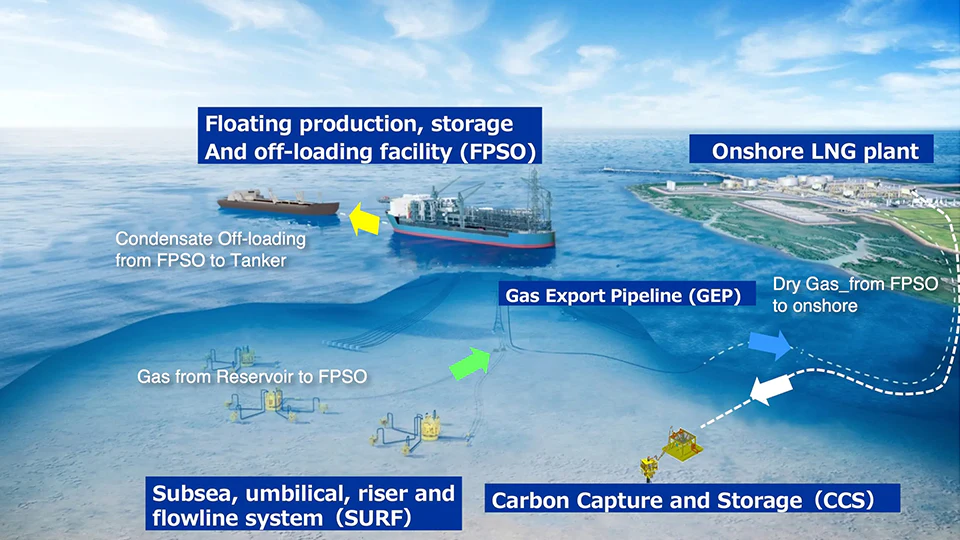
The development of the field includes the drilling of up to 40 subsea wells, the installation of equipment on the seabed and the mooring of a Floating Production Storage and Offloading Vessel (FPSO) at the Offshore Venus field. The produced oil will be transferred from FPSO to tankers for transport to buyers. Supply vessels and aircrafts will serve the offshore units from existing onshore facilities.
TEEPNA (TotalEnergies E&P Namibia) is now applying for an Environmental Clearance Certificate (ECC) to develop the Venus field, within Block 2913B, and produce crude light oil. If an ECC is granted, the construction, drilling and installation will take approximately 5 years to complete, and then the production will start and last for approximately 20 years+.
Drilling of the subsea wells and installation of the offshore production facilities will take approximately
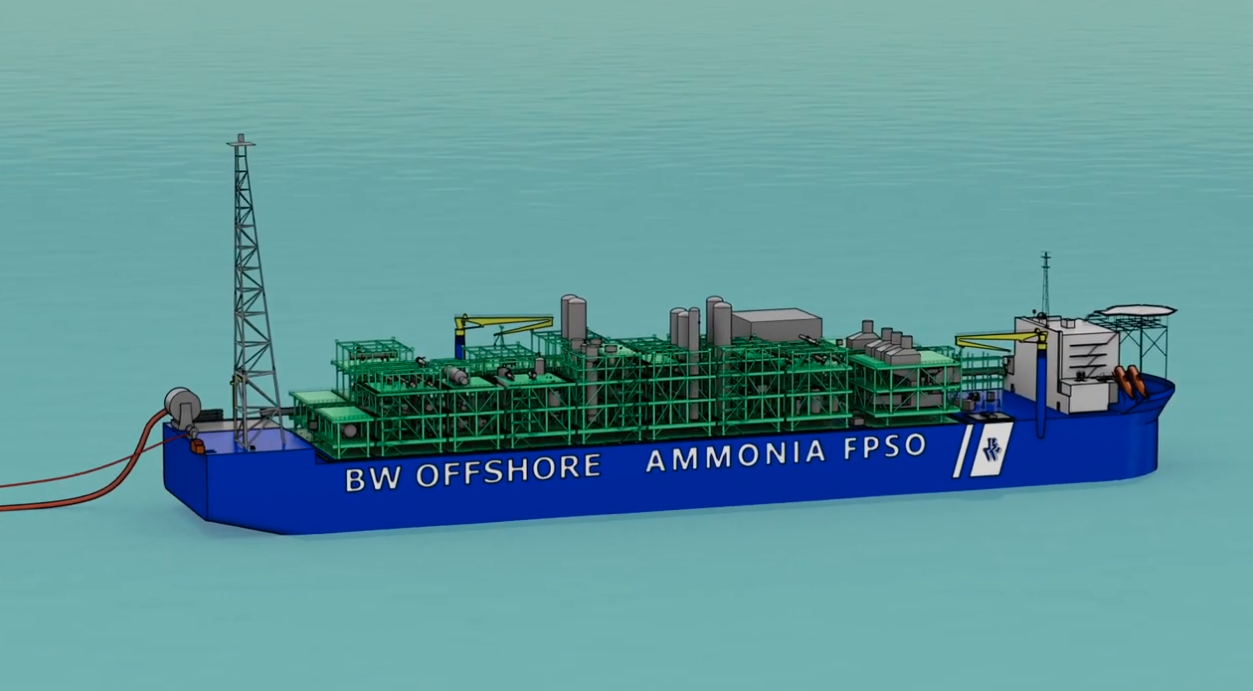
5 years and then the production will start and last for more than 20 years. During the production phase, a Floating Production Storage and Offloading (FPSO) vessel will be moored on station in Venus field to produce, separate the fluids and store oil before being transferred to tankers.
To support the operations during the production phase, supply boats (Image 2) will be travelling between the onshore base and the FPSO. Fishing vessels, cargo ships and other sea users will be informed about the routes that these vessels will travel.
To date, the JV has undertaken the following key exploration and appraisal activities in Block 2913B related to Venus field:
- Drilled Venus-1X exploration well between November 2021 and March 2022, resulting in a significant discovery of light oil with associated gas;
- Drilled Venus-1A appraisal well between March and June 2023;
- Re-entered Venus-1X well and undertook a Drill Stem Test (DST3) between June and September 2023 to investigate the ability to flow hydrocarbons from the Venus-1X well;
- Re-entered Venus-1A well and undertook a DST between September and December 2023;
- Drilled Venus-2A appraisal well and undertook a DST between December 2023 and April 2024;
- Performed geophysical and geotechnical survey in Venus field area from May 2024 to March 2025.
The proposed offshore development programme includes the following activities:
Construction activities:
- Drilling up to 40 development wells, including Oil Producer (OP) wells and Gas Injection (GI) wells. Before completion, some subsea wells may be tested to refine the knowledge of the reservoir characteristics;
- Installation and commissioning of subsea infrastructure, which includes all equipment located on or below the seabed used to extract hydrocarbons from the reservoir and connect the wells to the Floating Production, Storage, and Offloading (FPSO) unit, e.g. well heads Xmas trees, flow lines tie-in and endpoints, Subsea Umbilicals, Risers, and Flowlines (SURF);
- Mobilisation, mooring and commissioning of the FPSO unit; and
- Installation of a mooring buoy nearshore to support oil transshipment
Production activities / operations:
- Offshore production operations, including the activities of the Dynamically Positioning Shuttle Tankers (DPST), which will be used to offload the oil from the FPSO unit;
- Nearshore transshipment operations, where the DPST will offload the oil to a conventional tanker, which will, then, transport the oil to its final destination; and,
- Onshore, marine and aviation support facilities and operations.