
Paris, 10 October, 2024 – TotalEnergies has signed a charter contract with Spanish shipowner Ibaizabal for a new Liquefied Natural Gas (LNG) bunker vessel of 18,600m3 capacity. This new vessel will expand the Company’s global presence in bunkering hubs. In particular, this additional vessel might be deployed in Oman, where the Company is developing the Marsa LNG project with the objective to provide LNG to the shipping sector in the Gulf.
The vessel, owned by Ibaizabal, will supply LNG to a wide range of vessels (containerships, tankers, large cruise ships, ferries) at TotalEnergies’ LNG bunkering hubs and meet the highest technical and environmental standards.
GTT separately announced that the company has received an order from Hudong-Zhonghua Shipbuilding Co. Ltd. for the tank design of an LNG bunkering vessel of 18.600 m3 capacity on 23rd October 2024 for Ondimar Transportes Marítimos, a company of the Ibaizabal Group. Planned to be chartered by the French energy company, TotalEnergies, this LNG bunkering vessel marks Ondimar’s first order for a vessel equipped with a membrane containment system developed by GTT.
GTT will design the tanks for the vessel, which will have a total capacity of 18,600 m³. The tanks will feature the Mark III Flex membrane containment system developed by GTT. This new order introduces significant improvements in terms of vessel performance with a guaranteed daily Boil-Off rate of 0,16% of vessel volume as well as CO2 emissions reduction compared with the Gas Agility and Gas Vitality vessels, both chartered by TotalEnergies.
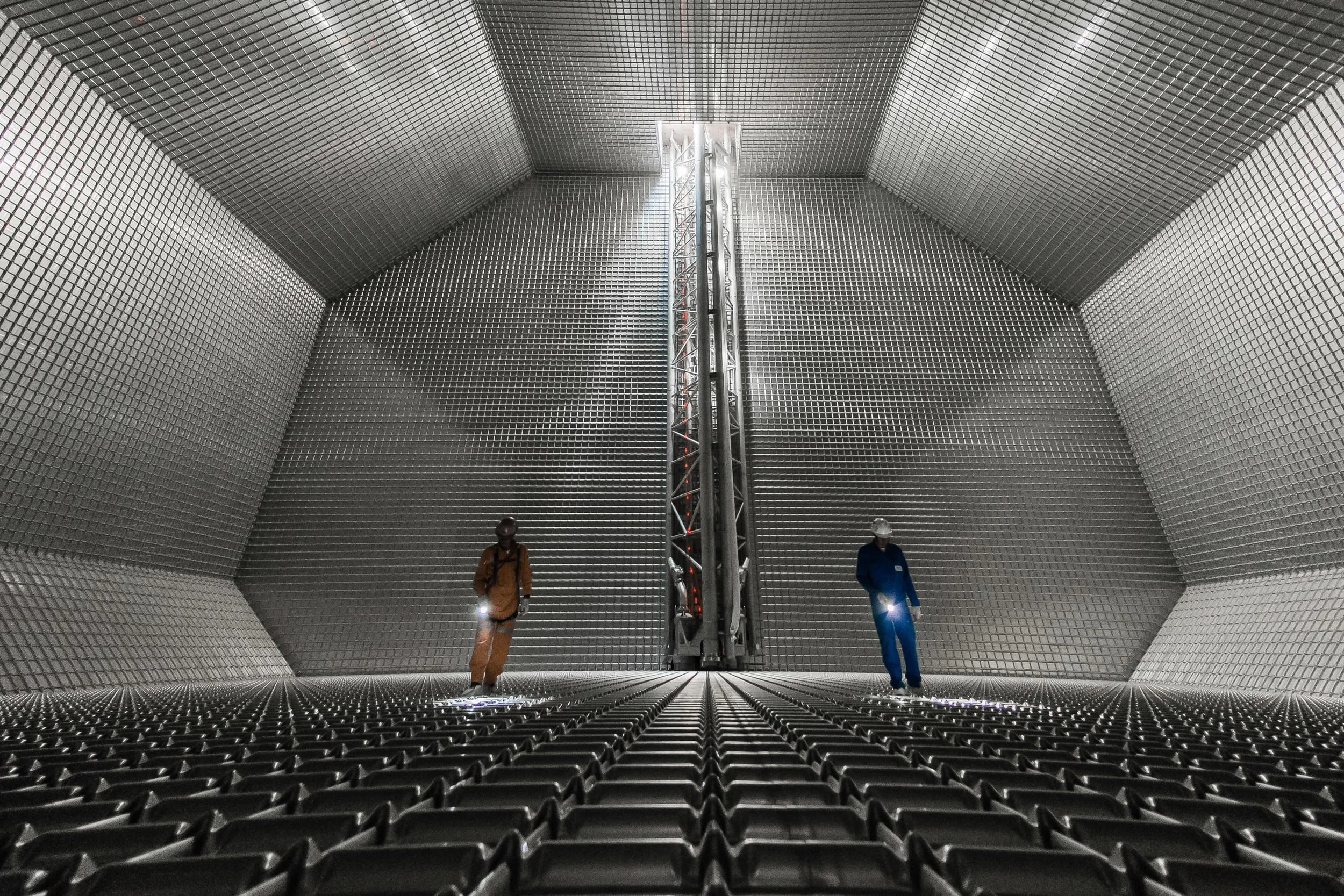
Mark III technology is a cryogenic liner used to contain liquefied gas at low temperatures during shipping, onshore and offshore storage, at atmospheric pressure. This technology and its evolutions equip more than 200 vessels in operation and under construction and benefit from more than 50 years’ experience at sea.
Measuring 135.9 meters long and 24.5 meters wide, the delivery of this LNG bunkering vessel is scheduled for the end of 2026.
Used as a marine fuel, LNG is an immediately available transition fuel that reduces greenhouse gas (GHG) emissions in the shipping sector by around 20%. It also significantly improves air quality by reducing nitrogen oxides (NOx) emissions by up to 85%, and it almost completely eliminates (by 99%) sulfur oxides (SOx) and fine particules. These benefits are particularly impactful when ships are at berth, improving the quality of life for port cities and communities in coastal areas.
This new vessel, currently being constructed by Hudong–Zhonghua Shipbuilding in China, will be delivered by the end of 2026 and will join TotalEnergies’ current fleet of three deployed LNG bunker vessels: the Gas Agility, which has been positioned in the Port of Rotterdam, the Gas Vitality, operated in the Port of Marseille and the Brassavola located in the Port of Singapore.
LNG’s role in shipping’s energy transition
Used as a marine fuel, LNG helps cut greenhouse gas emissions by around 20% compared to conventional marine fuel and has the potential to reduce emissions significantly more if bio or synthetic LNG is used. As such, marine LNG is a sustainable, affordable and immediately available way of reducing emissions in the shipping sector. TotalEnergies has actively invested in LNG bunkering infrastructure, critical to supporting its shipping customers’ adoption of LNG as a marine fuel.
TotalEnergies, the world’s third largest LNG player
TotalEnergies is the world’s third largest LNG player with a global portfolio of 44 Mt/y in 2023 thanks to its interests in liquefaction plants in all geographies. The Company benefits from an integrated position across the LNG value chain, including production, transportation, access to more than 20 Mt/y of regasification capacity in Europe, trading, and LNG bunkering. TotalEnergies’ ambition is to increase the share of natural gas in its sales mix to close to 50% by 2030, to reduce carbon emissions and eliminate methane emissions associated with the gas value chain, and to work with local partners to promote the transition from coal to natural gas.