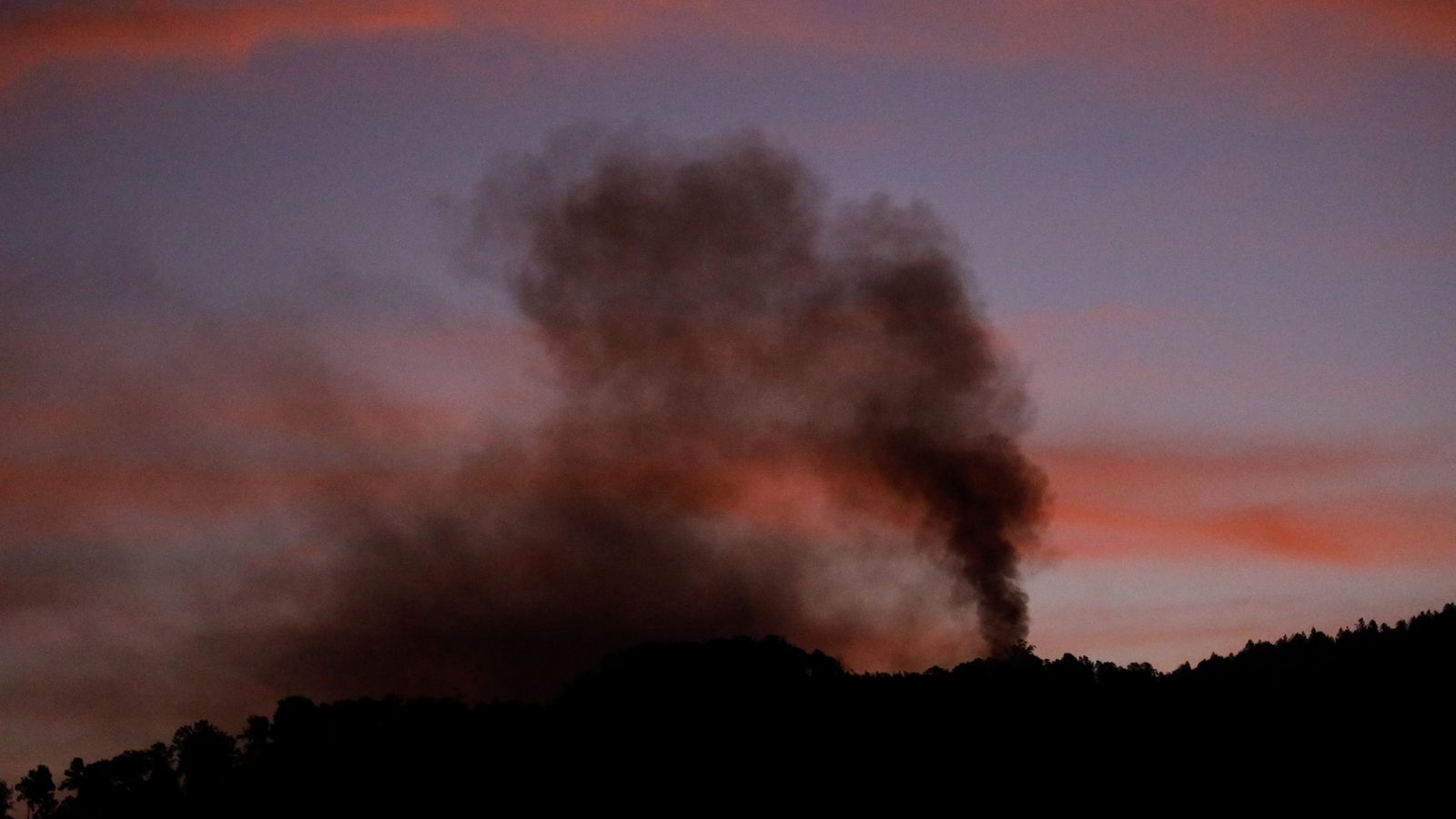

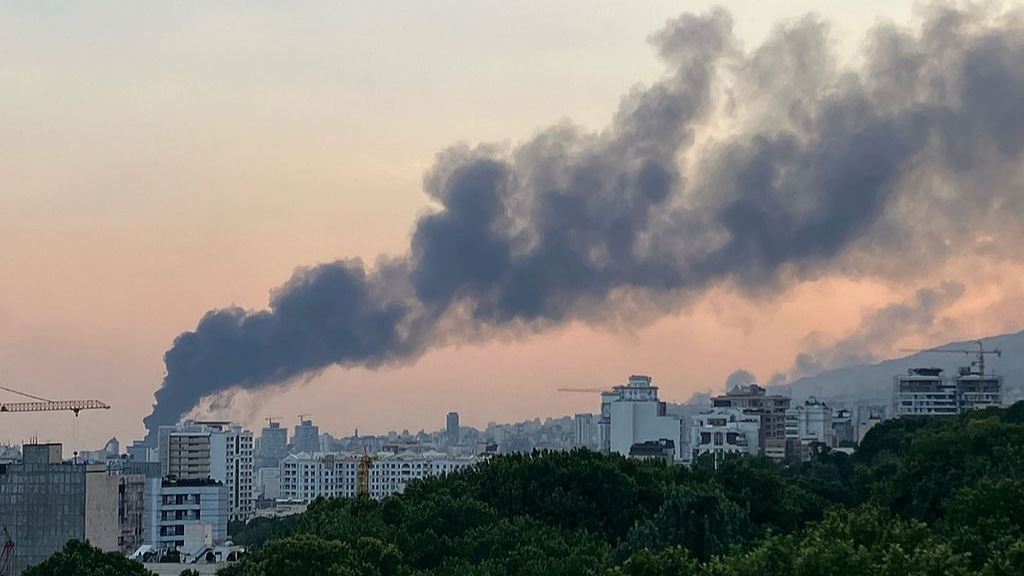
The escalating military confrontation between Iran and Israel is sending immediate shockwaves through global oil and gas markets, with traders rapidly pricing in geopolitical risk premiums amid fears of supply disruptions across the Middle East. As missile exchanges intensify and regional tensions mount, energy markets are reacting to the possibility that critical production facilities, export terminals, or shipping routes could become targets or collateral damage in a widening conflict.
At the center of global concern is the Strait of Hormuz, one of the world’s most strategically important energy corridors. Roughly one-fifth of global crude oil consumption moves through this narrow waterway, making it a critical artery for exports from Gulf producers. Even minor disruptions — whether through heightened naval patrols, tanker rerouting, or security incidents — can significantly restrict flows and trigger immediate price volatility in global benchmarks.
Crude oil prices have already climbed sharply in early trading sessions, reflecting heightened uncertainty. Market analysts warn that sustained instability in the region could push Brent crude toward triple-digit territory if exports are materially reduced. Beyond crude, refined products such as diesel, gasoline, and jet fuel are also experiencing upward pressure, as supply chain operators factor in rising insurance premiums and potential shipping delays.
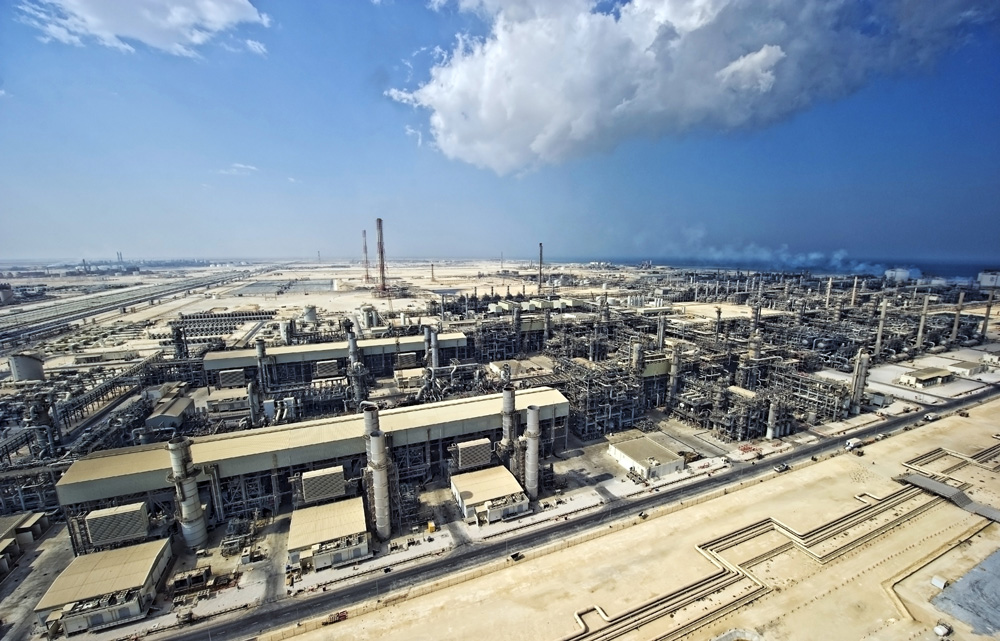
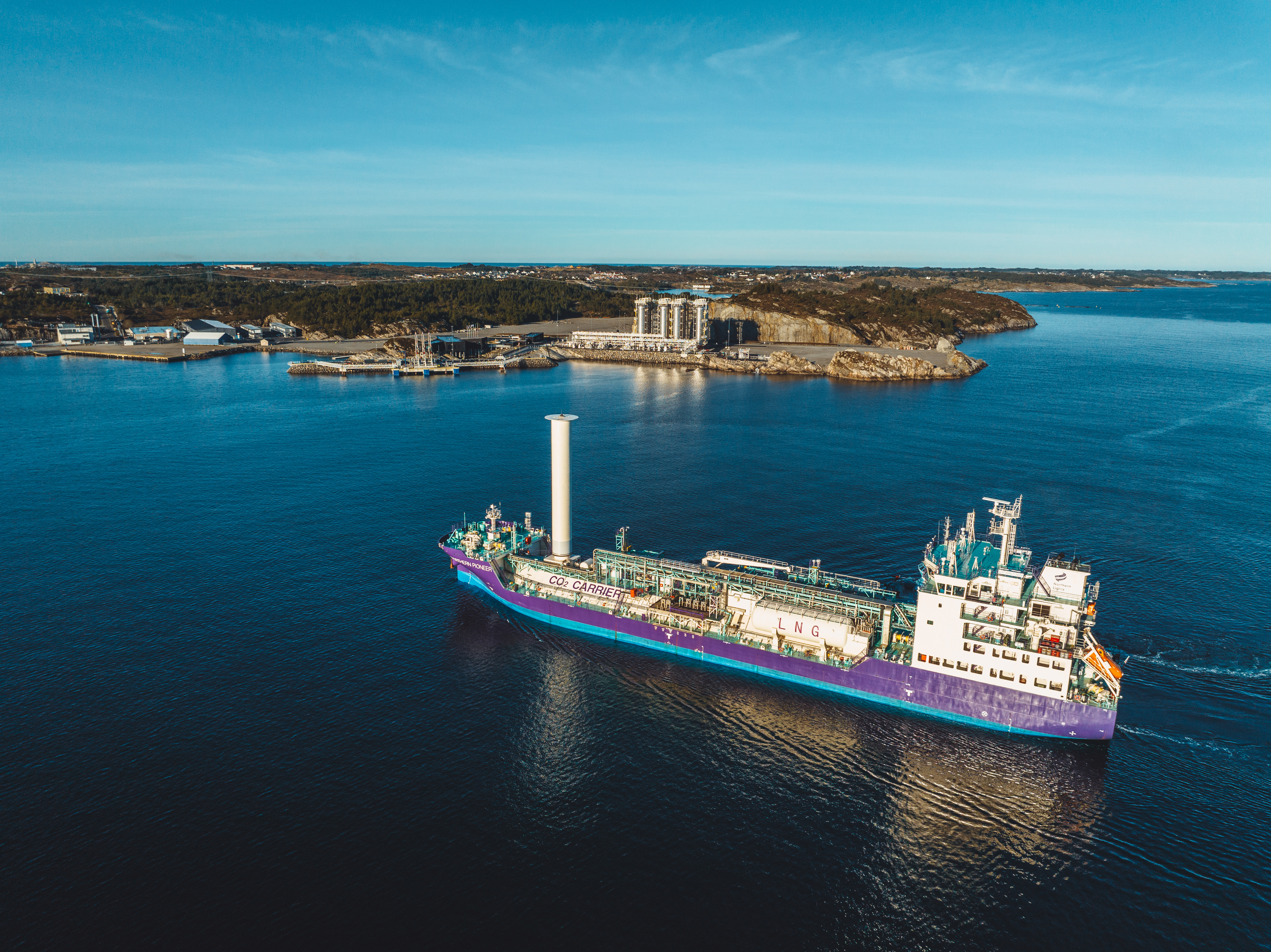
Liquefied natural gas markets are similarly on edge. Major exporters including Qatar rely heavily on uninterrupted passage through Hormuz for LNG shipments to Asia and Europe. Any slowdown in LNG cargo movements could tighten global gas supply, especially as many importing nations remain sensitive to price spikes following previous energy crises. Buyers in Asia are already seeking alternative cargoes to hedge against possible disruptions.
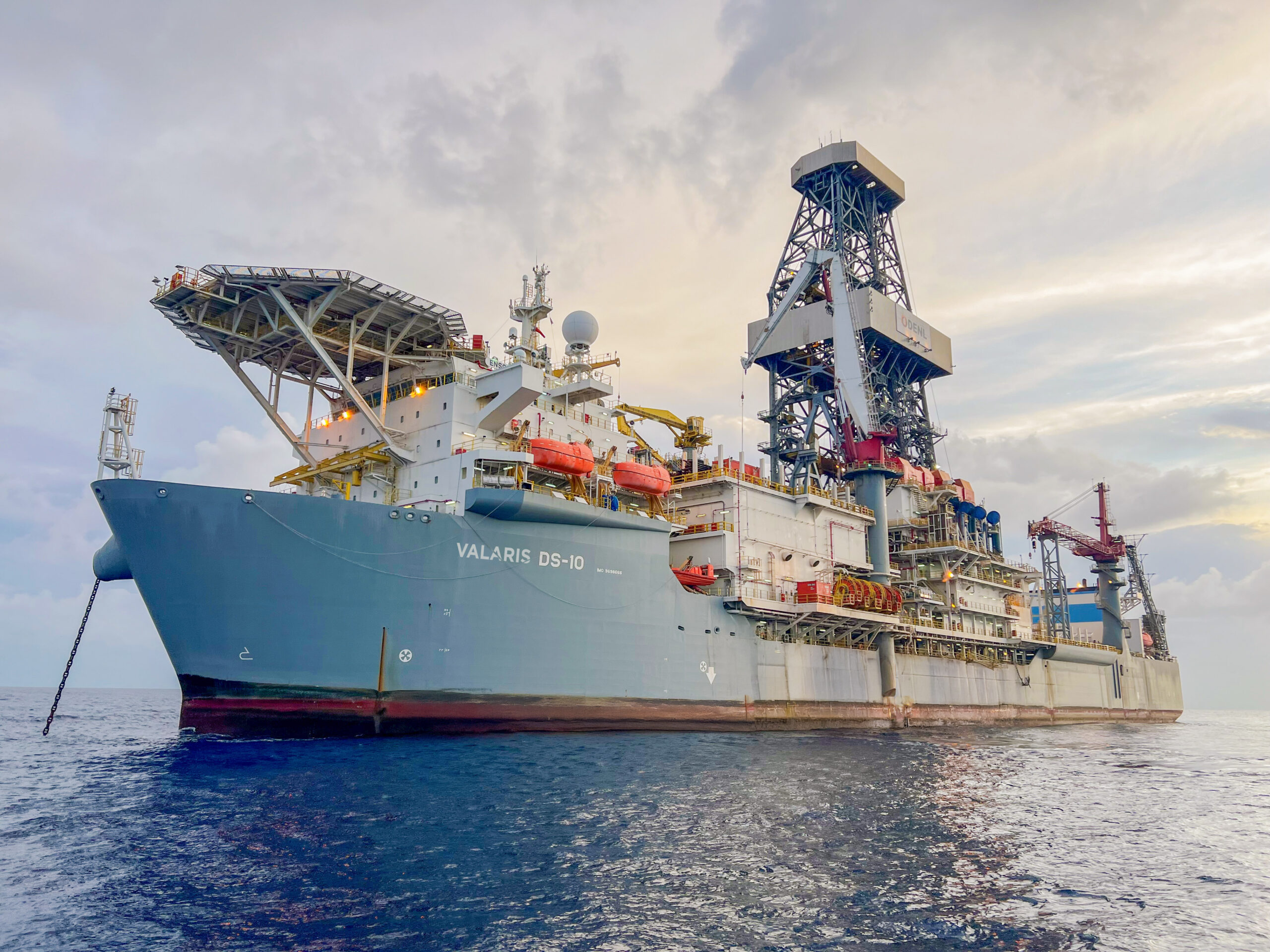
Regional energy producers such as Saudi Arabia, United Arab Emirates, and Kuwait are closely monitoring security conditions around offshore platforms, pipelines, and export terminals. International oil companies with upstream and midstream exposure in the Gulf are reviewing contingency plans, including potential production adjustments and shipping route diversification. Tanker insurance rates are expected to rise sharply, adding further cost pressure across global supply chains.
Beyond the energy sector, the broader macroeconomic implications are significant. Higher oil and gas prices could feed into global inflation, raising fuel costs for consumers and increasing input costs for industries ranging from manufacturing to aviation. Governments may consider releasing strategic petroleum reserves or accelerating diversification strategies to mitigate supply risk.
As the Iran–Israel conflict unfolds, energy markets remain highly sensitive to developments on the ground. The scale, duration, and geographic spread of the confrontation will ultimately determine whether the current price spike becomes a temporary volatility event or evolves into a prolonged global energy supply crisis. OilAndGas.World will continue to monitor real-time market movements, geopolitical risk factors, and supply chain indicators as the situation develops.